Loading, please wait...

Loading, please wait...
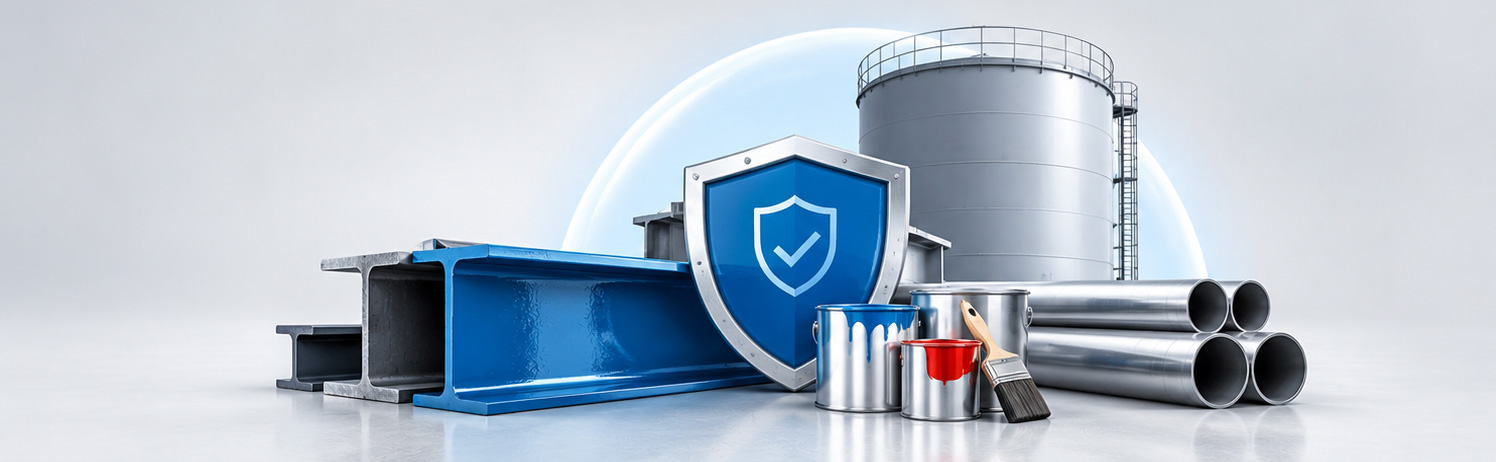
Industrial equipment, buildings, pipelines, and machinery
are exposed to moisture, chemicals, abrasion, heat, and changing weather
conditions every day. Without proper protection, these surfaces can corrode,
wear out, and require expensive repairs. This is where industrial coatings come
into the picture.
If you are wondering what is an industrial coating?,
it is a specially developed protective layer applied to surfaces such as metal,
concrete, wood, and industrial equipment. Industrial coatings increase
durability, reduce corrosion, provide resistance to chemicals, and increase the
lifespan of the asset. At Voxco, we support the coatings industry with
high-quality pigment solutions that help manufacturers produce durable and
consistent industrial coatings.
Industrial coating is a type of coating system that
protects industrial surfaces from corrosion, wear and tear, chemicals,
moisture, UV rays, and high temperatures. These coatings are widely used in
manufacturing plants, bridges, factories, warehouses, oil and gas facilities,
marine structures, and infrastructure projects.
Besides protection, industrial coatings improve appearance,
simplify maintenance, and help reduce long-term operating costs by extending
the life of equipment and structures.
Many industries use different coating systems depending on
the application and environmental conditions. Three of the most common
industrial coatings include:
Epoxy coatings provide excellent adhesion and create a
strong barrier against water, chemicals, oils, and abrasion. They are commonly
used for factory floors, storage tanks, pipelines, machinery, and structural
steel where long-lasting protection is required.
Polyurethane coatings are often applied as the finishing
layer because they provide excellent gloss retention, colour stability, scratch
resistance, and UV protection. These coatings are widely used on industrial
equipment, commercial buildings, transportation components, and outdoor steel
structures.
Zinc-rich coatings are created to protect the steel against
corrosion. They have a high amount of zinc particles, which reduce rusting
through sacrificial protection. These coatings are commonly used on bridges,
transmission towers, pipelines, and heavy industrial steel structures.
Different industries require different coating technologies
based on operating conditions.
Some of the most commonly used industrial coatings are:
Each coating offers specific advantages depending on the
environment, substrate, and expected service life.
When discussing what are the four types of coatings?
the following are among the most commonly specified protective systems in
industrial applications:
It offers good chemical resistance, high adhesion, and
moisture resistance.
Offers a durable, high-gloss finish with resistance to UV
rays, weather, and abrasion.
Acts as an anti-corrosion primer that protects exposed steel
structures in demanding environments.
This coating is used for equipment that operates in high temperatures
and open environments. It provides excellent heat resistance, colour retention,
and long-term durability.
Industrial coatings are critical in various sectors where
equipment and structures need to be protected for a long period.
Common applications include:
Industrial coatings protect factory floors, machinery,
production equipment, and structural steel from daily wear, chemicals, and
heavy traffic.
Protective coatings reduce corrosion, minimise leaks, and
improve the service life of tanks, pressure vessels, and pipelines carrying
water, chemicals, or petroleum products.
Bridges, communication towers, warehouses, and industrial
buildings are continuously exposed to rain, sunlight, humidity, and pollution. Industrial
coatings can help avoid corrosion and structural damage.
Power generation facilities, transmission towers, renewable
energy generation systems, and infrastructural buildings all rely on coating
systems to enhance reliability and reduce cost of maintenance.
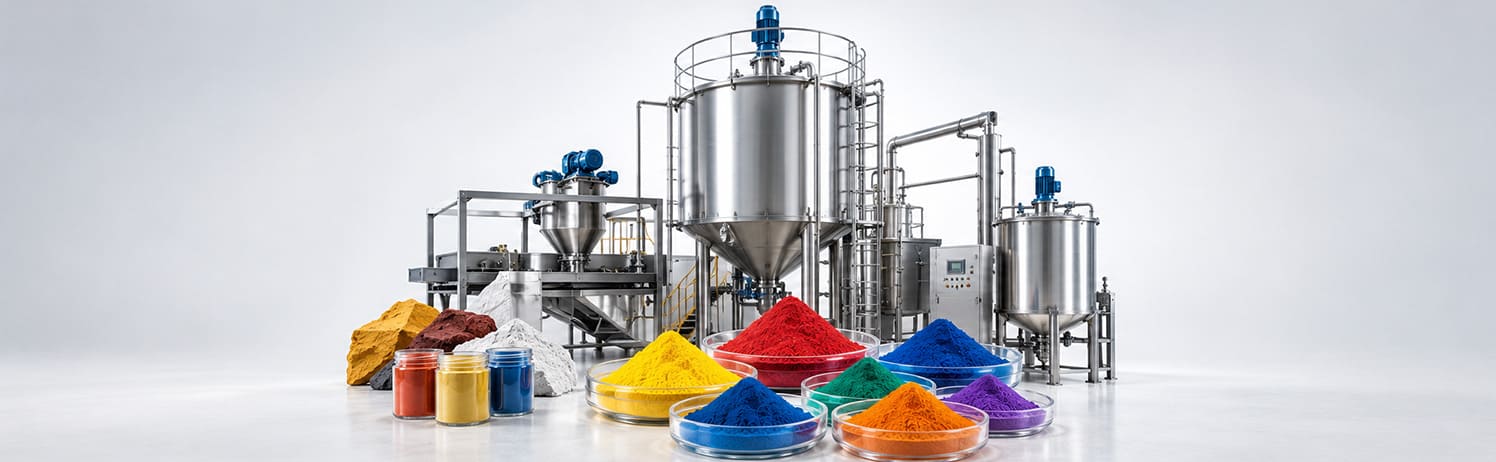
The effectiveness of industrial coatings does not just
depend upon the resin system but also the pigments in it. High-performance
pigments contribute to colour consistency, hiding power, weather resistance,
chemical stability, and coating durability.
At Voxco, we supply advanced pigment solutions that
support manufacturers producing high-performance industrial coatings for
demanding applications. Our products are developed to deliver consistent
quality and dependable performance across a wide range of industrial coating
systems.
Understanding what an industrial coating is, the
three types of coatings, the different types of industrial coatings, and the
four types of coatings helps manufacturers, engineers, and project owners
choose the right protective system for each application.
From epoxy and polyurethane coatings to zinc-rich and silicone-modified
polyester coatings, every coating system is designed to address specific
environmental and operational requirements. With reliable pigment solutions
from Voxco, industrial coating manufacturers can achieve consistent
colour, improved durability, and long-lasting protection for modern industrial
applications.
September, 2026

September, 2026

VOXCO Pigments and Chemical Pvt. Ltd. is a leading manufacturer and supplier of high-performance organic and inorganic pigments. We deliver consistent, durable, and application-specific color solutions to both domestic and international markets.