
What Is Marine Paint? Marine Paints and Coatings Guide
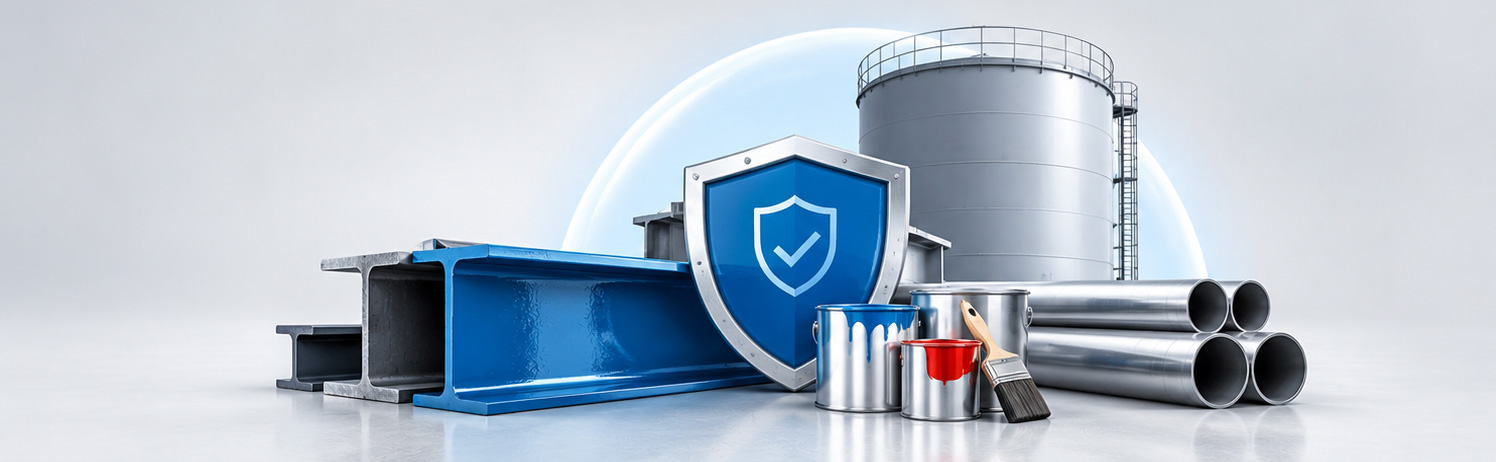
Marine assets are exposed to saltwater, moisture, UV
radiation, chemicals, abrasion, and changing weather conditions. What is
marine paint? Marine paint is a specially formulated protective coating
used on ships, boats, offshore structures, marine equipment, and other assets
exposed to demanding marine environments.
Unlike conventional paints, marine paints and coatings are
designed to protect against corrosion, marine fouling, water exposure, and
surface deterioration. Selecting the correct marine coating depends on
the substrate, service conditions, immersion exposure, and required durability.
What Is Marine Paint?
Marine paint is a protective coating formulated for use in
marine and offshore environments. It can be applied to steel, aluminium, and
other suitable substrates to protect surfaces from corrosion, water, UV
exposure, and mechanical wear.
A marine coating system commonly includes a primer,
intermediate coat, and finishing coat. Each layer can have a specific function,
such as improving adhesion, providing corrosion protection, or creating a
durable and UV-resistant surface.
For ships and offshore structures, coating selection and
surface preparation are important because coating performance depends on both
the paint system and the quality of application.
Key Benefits of Marine Paints and Coatings
The main purpose of marine paints and coatings is to
protect valuable assets while supporting long service life and easier
maintenance.
Corrosion Protection
Steel structures can corrode rapidly when exposed to
seawater and moisture. Suitable marine coatings create a protective barrier
that helps reduce corrosion and metal deterioration.
Fouling Protection
Marine organisms such as barnacles, algae, and molluscs can
attach to submerged surfaces. Antifouling coatings help control marine growth
on vessel hulls and improve underwater surface performance.
UV and Weather Resistance
Above-water areas are exposed to sunlight, humidity, rain,
and changing temperatures. A suitable marine coating can provide resistance to
UV exposure and weather-related surface degradation.
Improved Service Life
A properly selected and applied coating system helps protect
the underlying substrate, potentially reducing maintenance requirements and
extending the usable life of marine assets.
Types of Marine Paint
Different applications require different coating
technologies.
Epoxy Marine Coatings
Epoxy coatings provide strong adhesion and corrosion
protection and are widely used for steel structures, tanks, hull areas, and
other demanding applications.
Polyurethane Marine Coatings
Polyurethane coatings are commonly used as durable finishing
coats where colour retention, gloss, UV resistance, and surface protection are
important.
Antifouling Marine Paint
Antifouling paint is designed for submerged vessel surfaces.
It helps control the attachment and growth of marine organisms, supporting
cleaner hull surfaces and efficient vessel operation.
Zinc-Rich Primers
Zinc-rich primers provide sacrificial corrosion protection
for steel substrates and can form part of a multi-coat protective system.
How to Choose a Marine Coating
Choosing the right marine coating requires
consideration of several factors:
- Substrate
type, such as steel or aluminium
- Freshwater
or saltwater exposure
- Immersion
and splash-zone conditions
- UV
and weather exposure
- Mechanical
and chemical resistance requirements
- Surface
preparation requirements
- Expected
service life
- Maintenance
and recoating intervals
The coating specification should match the actual operating
environment rather than relying only on a generic paint selection.
Marine Paints and Coatings for Industrial Applications
Marine paints and coatings are used across commercial
shipping, offshore structures, ports, marine equipment, shipyards, and other
industrial applications. Performance depends on correct product selection,
surface preparation, application conditions, coating thickness, and curing.
Voxco brings its expertise in pigments and coating-related
applications to help businesses understand the performance requirements behind
protective coating systems. Technical evaluation should always consider the
substrate, exposure conditions, application method, and manufacturer's
specifications.
Why Coating Selection Matters
Understanding what is marine paint only the first
step. The right coating system must provide protection suited to the asset's
environment and operating conditions.
A technically suitable marine coating can help control
corrosion, fouling, weathering, and surface deterioration. Proper preparation
and application are equally important for achieving the expected coating
performance.
Conclusion
Marine paints and coatings play an important role in protecting ships, boats, offshore structures, and marine equipment from demanding environmental conditions. Epoxy coatings, polyurethane finishes, antifouling paints, and zinc-rich primers each serve different purposes.


Voxco
VOXCO Pigments and Chemical Pvt. Ltd. is a leading manufacturer and supplier of high-performance organic and inorganic pigments. We deliver consistent, durable, and application-specific color solutions to both domestic and international markets.