What Is Powder Coating? A Beginners Guide to Powder Coating - Its Process and Durability
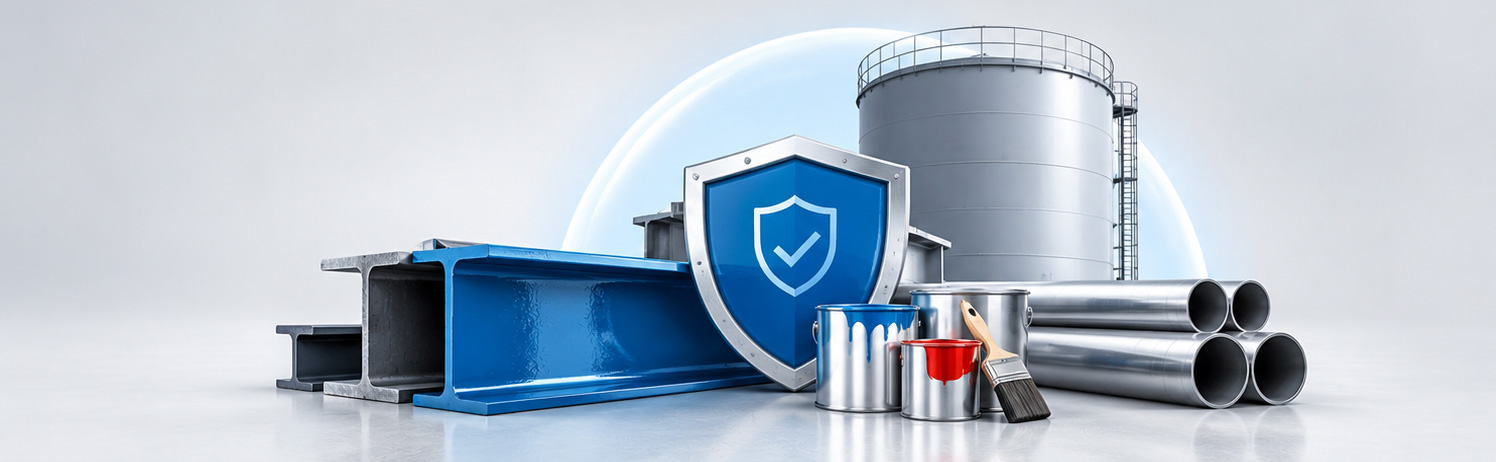
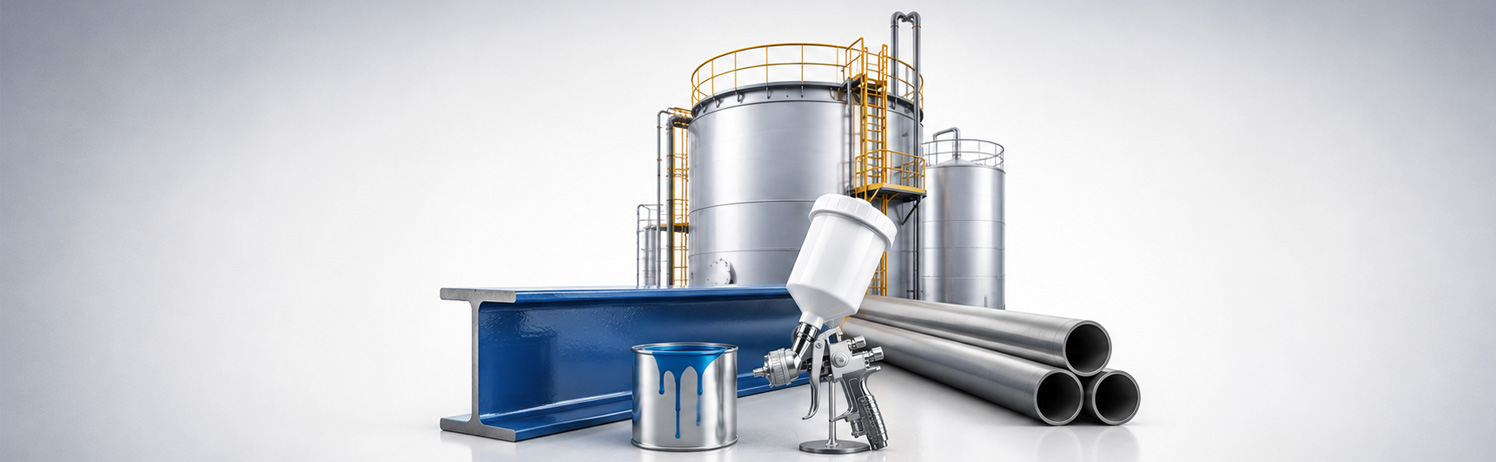
Powder coating is one of the most widely used finishing
methods for metal products because it provides excellent protection, a uniform
appearance, and long-lasting performance. It is commonly used on automotive
parts, industrial equipment, architectural products, appliances, furniture, and
metal structures.
If you are wondering what powder coating is, it is a
dry finishing process where a free-flowing polymer powder is applied
electrostatically to a grounded metal surface and then cured under heat. During
curing, the powder melts, flows evenly, and forms a hard protective layer that
is more durable than many conventional liquid paints.
At Voxco, we support the coatings industry with
high-quality pigment solutions that help manufacturers produce powder coatings
with consistent colour, durability, and performance.
What Is Powder Coating?
Unlike conventional liquid paint, powder coating does not
require liquid solvents. The coating material is supplied as a fine powder made
from polymer resins, pigments, curing agents, and performance additives.
The powder particles receive an electrical charge during
application and are attracted to the grounded metal surface. Once heated in a
curing oven, the powder melts and chemically bonds into a smooth, continuous
coating.
This process produces a finish that offers excellent
resistance to corrosion, impact, abrasion, chemicals, and weather exposure.
How Powder Coating Works
Understanding how powder coating works helps explain
why it has become a preferred finishing process across many industries.
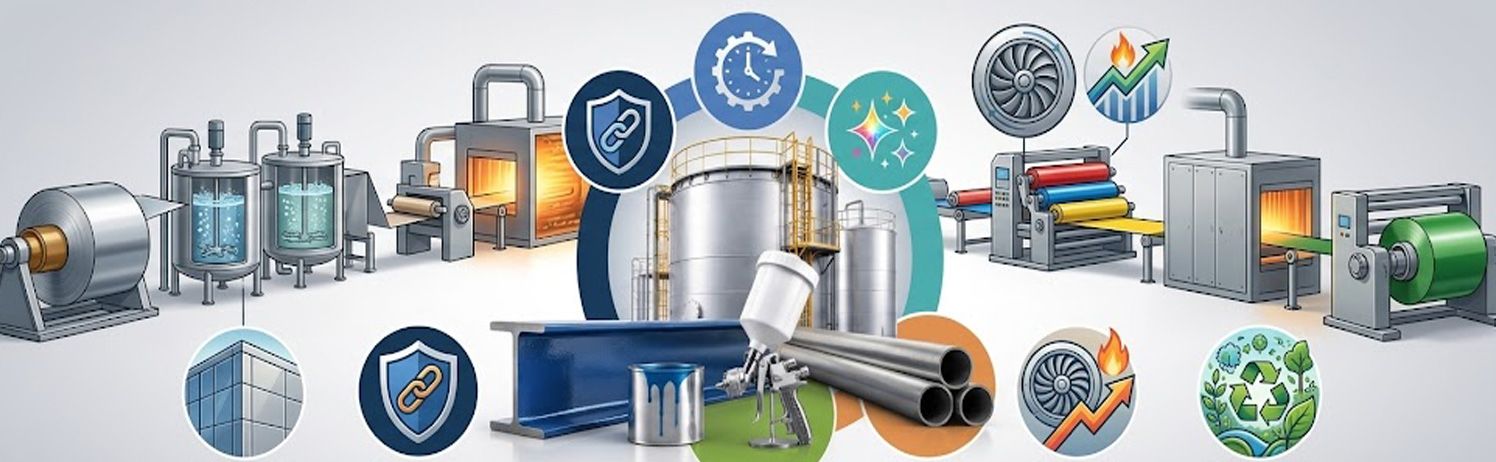
Surface Preparation
The metal surface must be properly cleaned before coating.
Dirt, grease, rust, oil, old paint, and other contaminants are removed using
cleaning solutions, degreasing, or abrasive blasting. Good surface preparation
improves coating adhesion and overall performance.
Electrostatic Powder Application
A specialised powder coating gun applies an electrostatic
charge to the powder particles while spraying them onto the grounded metal
component. The charged powder adheres evenly to the surface, creating a
consistent coating before curing.
Heat Curing
After application, the coated component is placed inside a
curing oven. The heat melts the powder, allowing it to flow smoothly across the
surface and form a continuous protective film. Once cooled, the coating becomes
hard, durable, and ready for use.
Durability of Powder Coating
The durability of powder coating is one of its
biggest advantages. A properly applied powder coating provides excellent
protection against daily wear and demanding environmental conditions.
Powder-coated surfaces offer resistance to:
- Scratches
and abrasion
- Chipping
and impact
- Rust
and corrosion
- UV
exposure
- Moisture
- Many
industrial chemicals
- Fading
and colour loss
Because of these properties, powder coating is widely used
for products that require long service life and minimal maintenance.
Advantages of Powder Coating
Powder coating provides several important benefits for
manufacturers and end users.
Some of the main advantages include:
- Durable
protective finish
- Excellent
corrosion resistance
- Uniform
coating thickness
- Strong
adhesion
- Attractive
surface appearance
- No
liquid solvents during application
- Reduced
material waste through powder recovery
- It
applies to a variety of industrial uses
These benefits make powder coating a preferred choice for
industries that require reliable surface protection.
Limitations of Powder Coating
Although powder coating offers excellent performance, it is
important to understand its limitations.
Some considerations include:
- Requires
specialised curing ovens
- Less
suitable for small home projects without professional equipment
- Localised
repairs can be more challenging than liquid paint
- Best
suited for electrically conductive materials such as metal
Selecting the appropriate coating process depends on the
application, production requirements, and substrate material.
Applications of Powder Coating
Powder coating is applied in various industries, including:
- Automotive
components
- Industrial
machinery
- Steel
furniture
- Electrical
enclosures
- Architectural
aluminium
- Agricultural
equipment
- Consumer
appliances
- Metal
gates and railings
- Lighting
fixtures
- Construction
products
Its combination of appearance and protection makes it
suitable for both decorative and industrial applications.
Why Pigments Matter in Powder Coatings
The quality of pigments plays a major role in powder coating
performance. High-quality pigments contribute to colour consistency, hiding
power, weather resistance, heat stability, and long-term durability.
At Voxco, we supply advanced pigment solutions for
powder coating manufacturers, helping them achieve reliable colour performance
and consistent product quality across demanding industrial applications.
Conclusion
Understanding what powder coating is, how it works, and
its durability helps manufacturers and product designers choose the right
finishing solution for metal components.
From proper surface preparation and electrostatic
application to heat curing, every stage contributes to a strong and durable
finish. With quality raw materials and high-performance pigments from Voxco,
powder coating manufacturers can produce coatings that deliver lasting
protection, attractive finishes, and dependable performance across a wide range
of industries.

Voxco
VOXCO Pigments and Chemical Pvt. Ltd. is a leading manufacturer and supplier of high-performance organic and inorganic pigments. We deliver consistent, durable, and application-specific color solutions to both domestic and international markets.